
CAPE TOWN, 18 October 2025 — The opening round of the 2025-2026 Rescue Sport Series at the University of the Western Cape marked an exceptional start to the season, combining elite-level performance, balanced participation, and a clear sense of purpose. The event brought together athletes from across South Africa in a showcase of strength, skill, and teamwork — all anchored by the Rescue Sport Series mission: to create Better Athletes and Better Lifeguards.
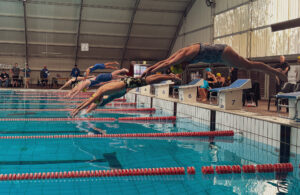
Over 300 swims were recorded across individual and relay events, with eight clubs represented. Clifton Surf Lifesaving Club led the entries with 71 swims, followed closely by Fish Hoek Surf Lifesaving Club with 46. Big Bay, Mandeville Dolphins, and visiting teams from Gauteng, including TUKS and Mandeville Dolphins, added to the competitive depth and national scope of the event.
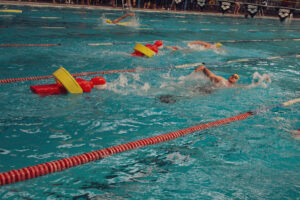
A standout feature of the gala was its gender balance. With 55% male and 45% female representation, the event reflected the inclusive nature of lifesaving sport and its continued commitment to providing equal opportunities for all athletes. Junior, senior, and masters competitors shared the same pool deck, reinforcing the idea that lifesaving is a lifelong discipline rooted in shared learning and purpose.
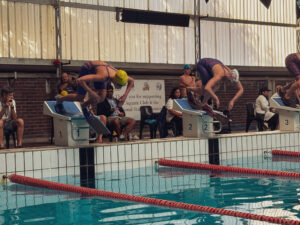
The racing itself delivered powerful performances across every age group. In the men’s events, Ockert Van Schalckwyk from TUKS went head-to-head with Clifton’s Wilan Basson and Matthew Brooker, all national team members, producing some of the closest finishes of the day. The women’s competition was equally strong, with Kendra Du Toit leading her Mandeville Dolphins teammates Grace Prince and Layla Nixon, while Clifton’s Amica De Jager and Isabella Havemann pressed hard in the 50m Manikin Carry.
Performance levels were exceptional across the board, with 145 personal bests recorded from 325 swims — nearly 45% of all performances. In total, 132 performance awards were achieved: 41 Green Clocks (Lifesaving South Africa High Performance Standard), 87 Blue Clocks (Provincial Standard), and four OPEX B qualifying times. These achievements reflected not only technical skill but also the steady improvement in athlete conditioning and race execution since the previous season.
Awards were distributed evenly across events, a sign of balanced development across clubs rather than dominance in specific disciplines. Both Clifton and Fish Hoek produced large numbers of podium-level swims, while emerging clubs like Big Bay and X-Stream contributed important results, signalling healthy growth at grassroots level.
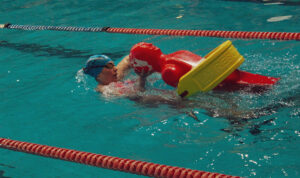
“The standard of racing continues to rise,” said organisers. “It’s encouraging to see athletes from different provinces and clubs pushing each other while keeping the spirit of the sport alive. The purpose behind Rescue Sport is as important as the medals — it’s about developing skills that translate directly into saving lives.”
As the season builds, organisers will continue refining logistics and education for athletes, coaches, and officials to maintain high standards of professionalism and enjoyment. The collaborative energy at UWC set a strong tone for what promises to be a landmark season of growth for lifesaving sport.
The next event in the Rescue Sport Series takes place on 8 November at Strand Indoor Pool, featuring Obstacle, Tow with Fins, and 100m Carry races. With momentum from the opening gala, Strand is set to deliver another day of high-speed racing and meaningful competition as South Africa’s lifesavers continue their journey toward excellence.